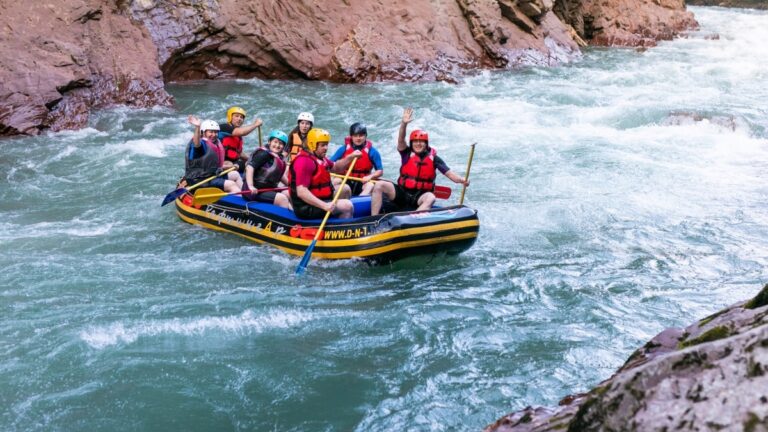
River rafting is one of the most popular adventure activities to do in India. It attracts the individuals who enjoy nature and outdoor fun. India has a wide variety of landscapes such as mountains, forests, plains and coastal areas. The country offers many different river rafting experiences because of this.
River rafting means travelling on a river in an inflatable boat. A group of people paddle together to move through the fast rapids and peaceful stretches of water. It requires proper teamwork, basic fitness level and focus.
At the same time, it allows you to enjoy beautiful scenery and fresh air. When you plan your rafting trip, you will find that some rivers are calm and perfect for beginners.
On the other hand, some rivers have strong and challenging rapids that are suitable for the experienced rafters only. Many rafting destinations in India are also rich in local culture and natural beauty like Rishikesh. This makes the trip more than just an adventure activity.
In this blog, we will further explore the ten best river rafting locations in India. You will find useful information about the rivers, rafting routes, best seasons, safety tips and nearby places to visit.
Rishikesh, Uttarakhand
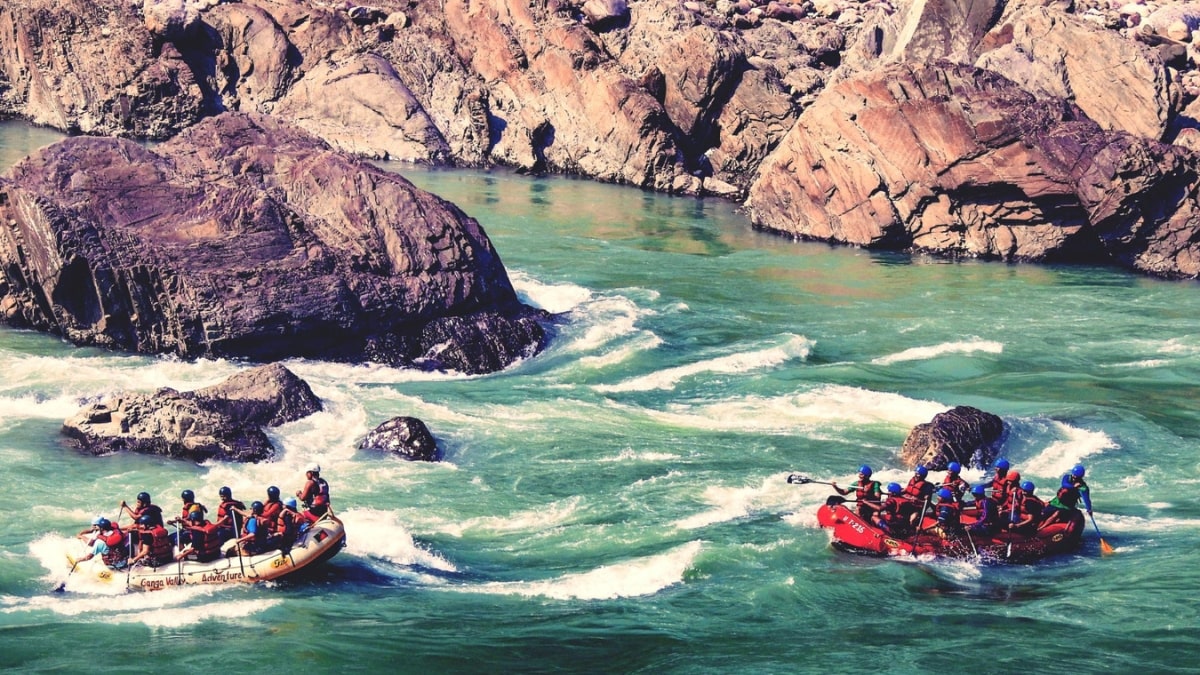
Rishikesh is popularly known as the holy town of Uttarakhand. It is also known as the yoga capital of India. Moreover, this town is also famous as one of the best rafting sites in the country. The rafters experience both spirituality and adventure here by rafting on the Ganga River.
About River
The river flowing through Rishikesh is the Ganga and it is also known as the Ganges. It starts from the Gangotri Glacier and reaches Rishikesh as a fast and cold river along with snow.
The Ganga River offers two grades of rapids to the rafters which are Grade 1 to Grade 4. The riverbanks of this river have sandy beaches, cliffs and beautiful mountain views. It is a holy river and is believed that Lord Shiva controls its flow.
Rafting Routes Available
There are many rafting routes available for the rafters of different experience levels in Rishikesh.
- The Brahmaputri to Rishikesh route is about 9 kilometres and is good for the beginners and families.
- Then comes the Shivpuri to Rishikesh route which is 16 kilometres long with moderate rapids.
- Another route starts from Marine Drive to Rishikesh which is 24 kilometres long with many harsh rapids.
- Lastly, the Kaudiyala to Rishikesh is the longest and hardest route which is only suitable for the expert rafters.
Best Season/Weather
The best time to enjoy rafting in this town is from mid-February to May and from mid-September to November. However, rafting is prohibited during the monsoon season because the river rapids become unsafe for the rafters.
When you go rafting, you should wear clothes that are quicker to dry and try to avoid cotton or jeans. Take some other things along with you such as waterproof shoes, sunscreen, a towel, some extra clothes and a waterproof bag.
Permits/Regulations
Rafting in Rishikesh is controlled by the tourism department for the safety reasons. Nowadays, all the operator companies must be approved and their guides must be trained as well.
The activity is operated using proper safety gear only. You usually need to sign a form that says you understand the risks involved in the activity before rafting.
Risks to be aware of
The danger level increases with the higher rapid grades like Grade 4 rapids. These rapids can cause the raft to flip if it is not handled properly.
There is one rapid and it is called “The Wall” which is known to be very difficult and risky. That is why it is important to listen carefully to the guide and follow all safety instructions during the ride.
How to Reach This Place
If you are travelling to Uttarakhand from nearby states, it is easy to reach Rishikesh. You can reach the town easily by travelling in a train or simply by road.
If you want to take a flight, the nearest airport is Jolly Grant Airport which is in Dehradun. This airport is around 21 kilometres away from Rishikesh. On the other hand, the Haridwar Junction is the closest major railway station if you want to take a train.
Where to Stay Nearby
You don’t have to worry about staying in Rishikesh because there are many places to stay in and around Rishikesh for every single budget. You can find:
- Budget hotels
- Riverside camps
- Guesthouses
- Luxury resorts
If you prefer high-end comfort, then five-star hotels like The Westin Resort and Hilton Garden Inn are available nearby.
Budget (typical)
The approximate budget for rafting in a town like Rishikesh can range anywhere from INR 450 to INR 1,800 per person. The price usually depends on the rafting route, distance and the service provider. The rafters should know that the short routes cost less while longer and more difficult routes are more expensive.
Why Rafting in Rishikesh
Rishikesh is one of the most popular places for rafting in India. It has routes which are suitable for everyone including beginners. On top of it, the essence of spirituality along with a mix of adventure and serene beauty which makes rafting even more special in this town.
You can also enjoy many other activities such as:
- Camping
- Paragliding
- Bungee Jumping
- Giant Swing
- Trekking
- Kayaking
- Sky Cycling
- Go Karting etc
According to the Uttarakhand Tourism Development Board, over 8 lakh tourists participate in river rafting activities annually in Rishikesh which makes it India’s most regulated rafting hub.
Other Adventure Activities Available Here
The rafters can also enjoy some other adventure activities here besides rafting such as camping by the river, cliff jumping and body surfing. Like rafting, bungee jumping and zip-lining are also very popular. Many visitors also visit Rishikesh to enjoy trekking, hiking and yoga for meditation purposes.
Insider Tips
You should know that morning or mid-day rafting trips usually have better weather conditions. You would not want to miss the evening Ganga Aarti at Triveni Ghat which is so peaceful and equally beautiful.
Most rafting guides here speak Hindi and basic English, so first-time rafters usually do not face language problems during safety briefings or while actually rafting on the river.
If we talk about the foods to enjoy in Rishikesh, then this town is quite famous for its simple vegetarian food. You can enjoy popular dishes like aloo puri, chhole bhature and local sweets here along with rafting.
Ladakh
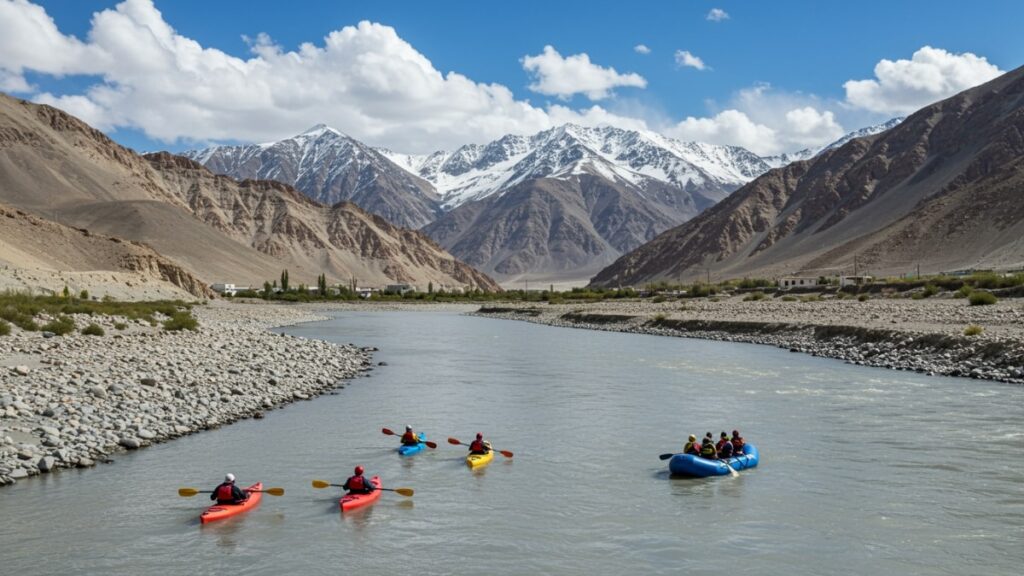
Ladakh offers one of the most amazing rafting experiences in the entire world. Moreover, it is also known as the Land of High Passes. The river that flows here is known as the Zanskar River.
Rafting on this river is peaceful because it is far from the big cities. This place is also known for its serene beauty and is considered the best for amazing adventurous sports activities.
About River
This river starts from the Zanskar Valley and flows through deep and narrow passages before it joins the Indus River in Nimmu. The water of this river flows very fast and is extremely cold. It is believed to be around near-freezing over time.
The grades of rapids that this river offers are Grade 2 and 4 rapids. The overall surroundings of this river have tall cliffs, narrow valleys and a strong Buddhist culture.
Rafting Routes Available
Here are some of the rafting routes that are suitable for all types of rafters:
- The Chilling to Nimmu or Sangram route is the most popular route and it covers around 28 to 36 km distance.
- Another route starts from Karsha to Nimmu and it is a four-day rafting trip with many difficulties.
- Then comes the Tsogsti to Nimoo which is a short and easy stretch and it is suitable both beginners and families.
- Lastly, Phey to Nimmu offers easy to moderate rafting which is perfect for beginners and families.
Best Season/Weather
The best time for rafting on the Zanskar River is from June to September when the weather is stable. In winter, the river freezes and rafting becomes tough during that time hence, it is better to avoid rafting.
If you are planning to go rafting in Ladakh, then you must carry a wetsuit because the water is very cold. Along with this, carry some warm clothes, sunscreen, cap and dry clothes so you can use after rafting.
Permits/Regulations
Rafting permits in Ladakh are usually included in the rafting package itself. On top of it, the approved operators provide trained guides and safety gear.
However, the foreign tourists may need to show their passports and they must be valid. The guides will provide safety instructions so that everyone understands exactly what to do before and during rafting.
Risks to be aware of
The rafters must know that the Ladakh’s altitude is very high. This is why the water there is very cold which makes rafting here difficult. The river flows with strong force at a fast pace and has powerful rapids.
The rapid grades are also high and they need good balance and teamwork while rafting. Thus, choosing trusted operators, experienced guides and following the instructions carefully is very important for safety.
How to Reach This Place
The nearest airport is Kushok Bakula Rimpochee Airport in Leh if you want to take a flight. You can also reach there by road through the Srinagar–Leh or Manali–Leh highways.
However, the rafter must know that these highways are usually closed in winter. The travellers must drive further to reach rafting points like Chilling from Leh.
Where to Stay Nearby
Many visitors prefer to stay in Leh only where guesthouses, homestays and luxury hotels are easily available. However, basic camps are set up near the river during multi-day rafting trips. There are hotels like The Grand Dragon Ladakh that are available in Leh if you want a comfortable stay.
Budget
If we talk about the rafting prices, they depend on the river route and length. However, short rafting trips usually cost between INR 1,000 and INR 3,500 per person. If we talk about multi-day rafting trips, it is a little expensive because of travel, equipment and camping arrangements.
Why Rafting in the Zanskar River
Rafting in Zanskar is definitely a special experience because it happens at high altitude in an area that is far away from the big cities.
The river flows through what is often called the Grand Canyon of Asia. This makes it perfect for the adventure lovers who want a rare and unforgettable rafting experience.
According to the Ladakh Autonomous Hill Development Council, rafting expeditions in the Zanskar region operate at altitudes exceeding 3,500 metres which makes it one of the highest rafting locations in India.
Other Adventure Activities Available Here
You can enjoy many other adventure activities in Ladakh apart from rafting. Some of the most popular side activities are listed below:
- Trekking is quite popular here including the winter Chadar Trek.
- Mountain biking is also common in this region.
- Visitors can explore old monasteries and take cultural tours to learn more about the local Buddhist life.
Insider Tips
We would recommend that you go rafting in Ladakh during midday. That is because the region is cold and you can enjoy rafting better in slightly warm temperature at that time.
As rafting takes place in remote areas, experienced local guides are important because they understand river flow, weather changes and nearby villages in difficult terrain.
Once you are free from rafting, you can visit the place where the Zanskar River meets the Indus River at Sangam. Also, you can enjoy local food like thukpa, momos and butter tea which is common and helps keep the body warm.
Kullu-Manali (Himachal Pradesh)
Everyone knows that Kullu and Manali are very popular towns situated in the Himalayas. These towns are famous for their beautiful views and are perfect for adventure sports. They are also considered the gateways to high mountains.
Every year many tourists visit here to relax in nature, enjoy the beautiful mountain views and raft on the Beas River. This river flows at a fast speed and offers serene surrounding views to the rafters.

About River
The Beas River starts flowing from the Beas Kund at a high altitude in the Himalayas. This river flows all the way through Kullu Valley. This river has cold and sloshing water with mostly Grade 2 and 3 rapids.
However, there is Grade 4 rapid as well but it is only for the experts. The river flows among the green mountains, pine forests and scenic landscapes. It provides a peaceful yet exciting rafting experience to the rafters.
Rafting Routes Available
Some of the most popular rafting routes that are available in Kullu Manali are:
- The rafting stretch from Pirdi to Jhiri or Bajaura is about 7 to 14 km long and is suitable for beginners and families.
- The shorter stretches at Raison or Babeli are about 2.5 to 3.5 km long and are ideal for beginners.
These routes provide fun rapids and safe sections for the beginners and families.
Best Season/Weather
You can raft almost throughout the year here but it is not recommended during the monsoon season. That is because during the heavy monsoon in July and August or a very harsh winter.
The peak season for rafting in Kullu Manali is from March to June. The visitors are advised to wear quick-dry clothes, avoid jeans and take a change of clothes. Along with a towel, safe shoes for rafting and one extra pair to use after rafting.
Permits/Regulations
Rafting in Kullu Manali is also managed by the Department of Tourism. The operators follow all the essential safety rules and provide licensed guides.
The permits for rafting are usually included in the package. All the guides must ensure that the participants know safety procedures before starting the river adventure.
Risks to be aware of
The Beas River is mostly safe for the beginners and families. However, potential risks can increase during the peak monsoon season.
The rafters should follow the instructions of their guides carefully, as the water flow can be stronger and the rapids can be difficult to handle. On top of that, high rainfall and landslides can also affect safety in certain areas.
How to Reach This Place
You can reach Kullu Manali very easily by:
- By taking a flight, the nearest airport is Kullu-Manali Airport at Bhuntar which is about 14 kilometres from Kullu.
- By road, Kullu is well-connected with the roads to Delhi, Chandigarh, and Manali.
- Some overnight buses and taxis are also popular ways to reach the rafting starting points from nearby towns.
Where to Stay Nearby
To help the visitors stay comfortable, Kullu and Manali offer a range of accommodations. The visitors can choose simple hotels or more comfortable stays according to their budget.
You can choose to stay anywhere you want like budget-friendly guesthouses and luxury resorts. For luxury stays, there are many 5-star options available. One such resort is The Manu Maharani and Span Resort which provides a relaxing stay before or after rafting.
Budget
If you go rafting in Kullu Manali, you can expect the costs to vary based on the stretch and operator. Usually, the prices can range from INR 1,000 to INR 2,500 per person. However, shorter or beginner-level stretches cost less compared to the longer or more challenging stretches.
Why Rafting in the Beas River
The rafters must be wondering why they should opt for rafting in the Beas River. Well, rafting in Kullu Manali is safe for everyone including beginners and families.
The Beas River has easy to moderate rapids and is located among the green valleys and pine forests. Thus, it is a perfect choice for first-time rafters or those who want to enjoy adventure in a calm Himalayan environment.
According to the Himachal Pradesh Department of Tourism, the Beas River rafting stretch records over 1.2 lakh adventure tourists every season, mainly between March and June.
Other Adventure Activities Available Here
The visitors can also try many other adventure activities once their rafting trip is completed. They can also simply explore the nearby cities and try their food.
Many visitors who come here for rafting also give a try at:
- Paragliding
- Trekking to Beas Kund
- Camping
- Skiing in winter
- Sightseeing in Manali and nearby places like Kasol
These activities make Kullu-Manali the best adventure destination for families and young travellers.
Insider Tips
Rafting in Kullu Manali can be enjoyed best in the morning when the weather is stable. As already discussed above, do not go rafting there during the monsoon season.
It becomes dangerous to raft at that time because of the landslides and high-water levels. You can enjoy local Himachali food after rafting like Dham which is a traditional meal and very popular.
Sikkim
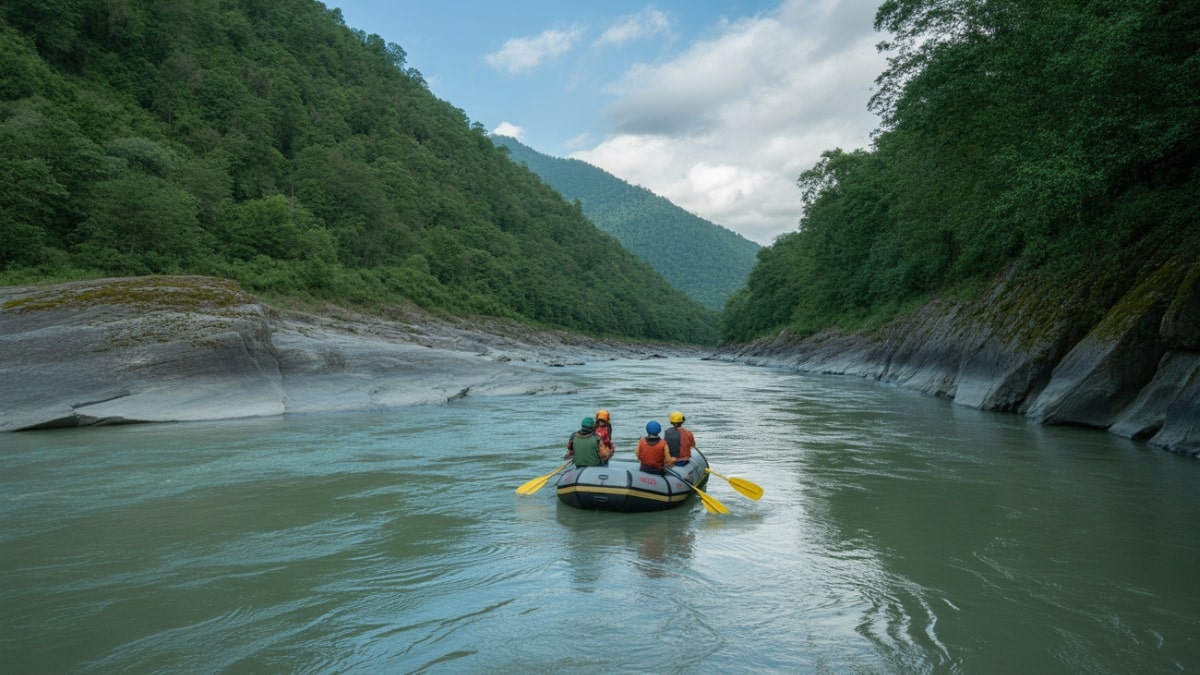
Sikkim is one of the best locations to enjoy rafting, be it solo or with friends and family. The river that flows here is known as the Teesta River. It flows through Sikkim and the nearby Darjeeling region.
It offers an exciting rafting experience to rafters in the Eastern Himalayas. The area is also known for dense forests, mountains and rich natural beauty that lures the rafters towards them.
About River
The Teesta River starts from Tso Lhamo Lake in North Sikkim and flows through Sikkim and West Bengal before entering into Bangladesh. The rafters can enjoy rafting in Sikkim mainly in the lower parts near Melli.
The water of this river is icy cold again similar to the Zanskar River and flows over the rocky sections. The rapids of it range from Grade 2 to Grade 4 which makes rafting both fun and challenging.
Rafting Routes Available
Rafting on the Teesta River is divided into upper and lower sections for the rafters.
- The Upper Teesta has stronger and more technical rapids which are suitable only for the experienced rafters.
- The Lower Teesta is calmer and better for beginners. Most rafting activities happen near Melli or Labarbotay which are easy to access by road.
According to the Sikkim Tourism Department, controlled dam-release rafting on the Teesta River supports Grade 2 and 4 rafting across nearly 30 km of regulated stretches in South Sikkim.
Best Season/Weather
The best time for rafting on the Teesta River starts every year from October to April. Rafting is avoided during the monsoon months because of the high-water levels like Rishikesh and Kullu Manali.
The visitors must wear quick-drying clothes when they go rafting and water-friendly footwear. Along with this, carrying extra clothes, a towel, and sunscreen to stay comfortable after rafting is also recommended.
Permits/Regulations
Rafting in Sikkim has to be done under the guidance of trained and certified operators. The safety rules must be followed strictly by everyone including the guides.
The foreign tourists may need to show their passports for the records just like it is done in Ladakh. The rafting schedules can also depend on the dam water release timings so such activities may be adjusted accordingly.
Risks to be aware of
If you are a first-time rafter, you should know that Grade 4 rapids on the Teesta River are very strong and require good control of the raft. On top of it, the icy cold water can also be a challenge for them. That is why it is important to listen to the guide and follow safety instructions is very important to avoid accidents.
How to Reach This Place
You can reach there by taking a flight and the nearest airport is Bagdogra Airport which is in Siliguri. But the rafters should know it beforehand that it is about 124 kilometres from the actual rafting area.
You can prefer reaching there by road, the rafting points which are near Melli and are around 50 kilometres away from Gangtok. However, the roads are well-connected which makes it easy to reach the rafting location from nearby towns.
Where to Stay Nearby
The travellers often choose to stay in Gangtok and Darjeeling where hotels are easily available. You can easily find hotels and guest houses according to your budget. If you want to have a premium experience, then you can also stay in 5-star hotels like Mayfair Himalayan Spa Resort in Gangtok.
Budget
The price for rafting in Sikkim is quite reasonable if we compare it to Ladakh. It can cost anywhere from INR 500 to INR 2,500 per person. Again, this price depends on the rafting distance, route type and the operator providing the service.
Why Rafting in the Teesta River
The Teesta River provides a mix of adventure along with natural beauty. It has moderate to expert levels of rapids and it flows through dense forests and mountains which feels ethereal.
Rafting on this river is a great choice for the travellers who want to experience thrilling rafting along with the breathtaking views of the Eastern Himalayas.
Other Adventure Activities Available Here
You might not know this but you can explore many more activities after rafting in Sikkim. You can enjoy things like:
- Sightseeing
- Camping
- Trekking
This region is full of greenery and wildlife which excites the travellers further and provides them with an enjoyable experience.
Insider Tips
Rafting here usually starts from 9 am to 3 pm that is why you must plan your trip accordingly. You can also visit the place where the Teesta River meets the Rangeet River, it is also a beautiful sight.
Local guides understand dam water release timings and river flow changes, so following their instructions carefully is important for overall safety. The momos, thukpa and traditional fermented dishes are very popular in Sikkim so you can try them too.
Dandeli (Karnataka)
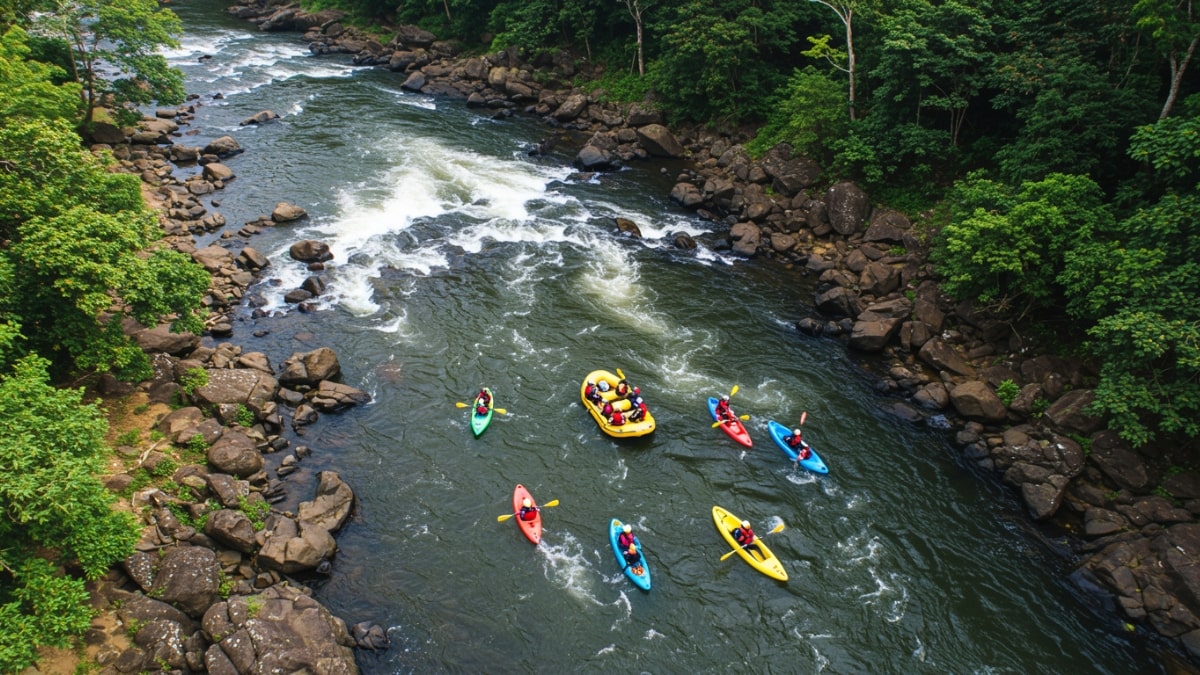
Dandeli is a small town which is located in Karnataka and is widely known for its forests and wildlife. It falls under the category of the best locations for rafting in India, especially in South India. The rafting area is calm and full of greenery which makes it perfect for the nature and thrill lovers.
About River
The Kali River starts from the western ghats and flows all the way through dense forests near Dandeli. The water of this river is fresh and moves very rapidly.
The river has rapids from Grade 2 to Grade 4 which are perfect for both beginners and experienced rafters. It is wide in some parts and narrow in others which makes rafting exciting for the rafters.
Rafting Routes Available
The main stretch for rafting is present in Dandeli only and it is about 9 to 12 kilometres long. This stretch includes both easy and strong rapids. That means some parts are calm and allow the rafters to relax. The other ones have sped up water flow which makes the experience even more thrilling.
Best Season/Weather
The best time for rafting on the Kali River is from October to May. Just like the other few locations that we discussed, it is not recommended to go for rafting here during the monsoon season because the water level rises. As usual, the visitors must wear quick-dry clothes, avoid heavy footwear and carry extra clothes and a towel.
Permits/Regulations
Rafting here is mainly organised by the trained operators under forest and tourism rules. The rafters must have to wear their life jackets and helmets, it is mandatory. The trained guides provide safety instructions before the rafting trip begins and everyone must follow them.
Risks to be aware of
This river also has strong rapids like the Teesta and Zanskar rivers. When the water is released from the dam, it can change the flow of the river significantly.
That is why the rafters must pay attention to what their guide is advising. It is very essential to maintain a steady balance on the river. Rafting should be avoided in case of unsafe weather conditions.
How to Reach This Place
It is up to you how you want to reach this place, like:
- You can reach there by a flight and the nearest airport to the rafting location is Hubli Airport.
- If you want to reach there by a train, then the nearest station to the rafting spot is Alnavar which is about 30 kilometres away.
- You can also prefer visiting the place by road and Dandeli is well-connected by road from Goa, Hubli and nearby towns.
Where to Stay Nearby
Dandeli has many forest lodges, resorts and budget friendly option where you can stay comfortably. Many eco-stays and jungle camps are available near the river itself. Furthermore, there are some resorts that also include rafting and adventure activities in their packages.
So, you can choose according to what fits best in your budget and comfort expectations. According to Karnataka Forest Department data, the Kali River rafting zone in Dandeli lies within over 830 sq km of protected forest area, ensuring eco-regulated adventure tourism.
Budget
The cost of rafting per person in Dandeli can fall anywhere from INR 1,500 to INR 3,500 per person. Well, the cost depends on the rafting stretch, season and also on the service provider. If you choose to buy a whole package, it may cost a little more but it definitely includes premium safety gear and an expert guide.
Why Rafting in the Dandeli River
If you visit the southern part of India for rafting, then Dandeli can provide you with one of the best rafting experiences of your life. The river flows through dense green forests and offers strong rapids and peaceful views. Also, it is suitable for everyone including families, beginners and experienced level rafters.
Other Adventure Activities Available Here
You can enjoy so many other activities in Dandeli besides rafting, such as:
- Jungle safaris
- Kayaking
- Ziplining
- Trekking
- Camping
- Wildlife spotting
Insider Tips
It is recommended to go rafting in the morning, as it is seen that the water level of this river stays stable at that time. However, you must follow all the forest rules strictly and avoid throwing plastic items here and there.
You can also carry an insect repellent to protect yourself from the little bugs and enjoy the local food of Karnataka after the rafting session.
The guides here mostly speak Kannada and Hindi. But basic English instructions are important to follow during rafting for all participants.
Coorg (Kodagu), Karnataka
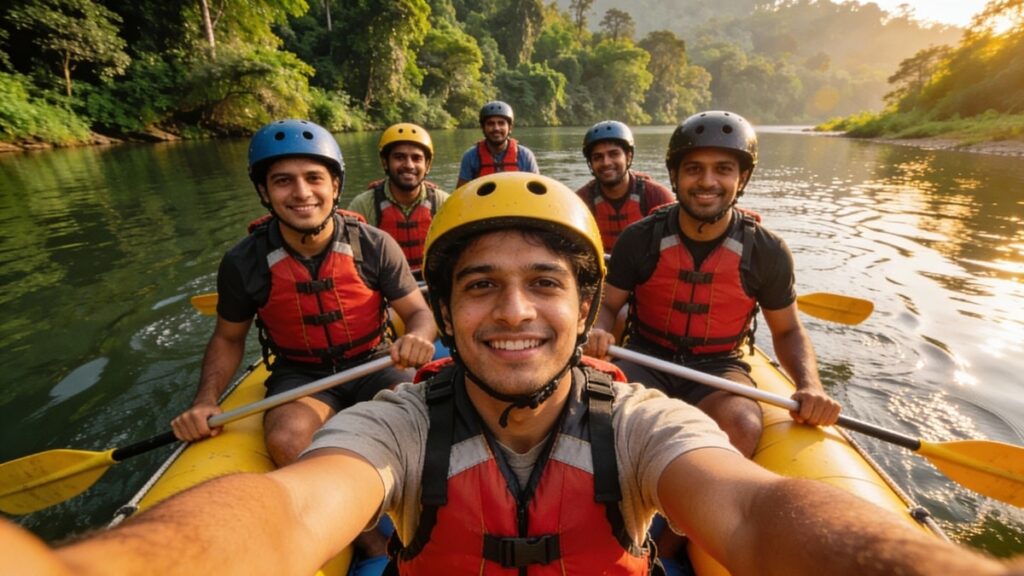
Next, we have Coorg (Kodagu) in our list which is also known as the Scotland of India. It is famous for coffee plantations and green landscapes. Along with peaceful views, Coorg is also known for thrilling river rafting on the Upper Barapole River during the monsoon season.
About River
The Upper Barapole River flows through the dense forest areas of the Western Ghats. It is short in length but very strong and the river has Grade 3 and 4 rapids. The water flow depends on the rainfall and moves quickly through the narrow sections of the jungle.
Rafting Routes Available
The rafting on the Barapole River usually happens on a short stretch which is about 3 kilometres. Even though the rafting route is short, it offers continuous strong rapids. The rafting experience on this river is fast and thrilling which makes it popular among adventure lovers.
Best Season/Weather
The best time for rafting here is during the monsoon months from July to September. That is because heavy rainfall raises the water levels and activates the strong rapids. You should pack quick-drying clothes, secure water shoes and an extra set of dry clothes, as you will get completely wet.
According to Karnataka Tourism statistics, the Upper Barapole River becomes operational only during peak monsoon, with rafting permitted for less than 90 days annually due to water-level dependency.
Permits/Regulations
The rafting activities here are handled by the local operators who manage everything like safety. The rafters are advised to strictly follow the instructions given by the guides. It is very important to follow the local regulations because the river offers strong rapids like Grade 3 and 4. It becomes ever more essential especially during the peak monsoon, when water levels can change quickly.
Risks to be aware of
The Grade 3 and 4 rapids require good physical fitness and the ability to respond quickly to the instructions along with an expert level of rafting. The monsoon weather brings heavy rain, slippery rocks and a sudden rise in the water levels. That is why rafting may be stopped temporarily in monsoon seasons for safety purposes.
How to Reach This Place
The nearest airport is Kannur International Airport which is about 90 kilometres if you want to take a flight. The other airport which is the Mangalore Airport which is around 140 kilometres away.
Mysore Junction is the closest railway station if you prefer taking a train. Moreover, Coorg is well connected by road from Bangalore, Mysore and Mangalore so you can also reach there by road.
Where to Stay Nearby
Coorg is famous for its homestays that are located inside the coffee plantations which offer a peaceful stay to the visitors. Some luxury resorts are also available for those who want to have a comfortable experience. There are many well-known five-star options include Evolve Back Coorg and Amritara Ambatty Green Resort.
Budget
The budget for rafting on the Barapole River is usually priced between INR 1,000 and INR 1,500 per person. You can still have a highly intense experience in this price range. Your package may also include basic safety arrangements managed by the local rafting operators.
Why Rafting in the Barapole River
Barapole is considered the best monsoon rafting destination in South India. It offers a fast ride surrounded by lush rainforests. For adventure lovers who prefer intensity over long journeys, this river delivers pure adrenaline in a beautiful natural setting. However, sometimes rafting here can be temporarily closed because of the intense water levels.
Other Adventure Activities Available Here
Coorg offers coffee plantation tours where the visitors can learn more about the coffee cultivation apart from rafting. Trekking through the forest trails, visiting waterfalls during the monsoon and wildlife spotting in nearby forest areas equally excite the travellers.
Insider Tips
The timings for rafting depend heavily on the water levels because the river offers quite powerful rapids. It provides a more authentic experience of the Coorg culture to the travellers when they stay at homestays.
Local Coorg food like Pandhi Curry and Kadambuttu is popular and worth trying once you are free from rafting. During peak monsoon rafting, experienced local guides are necessary to help the rafters understand the water level changes.
Tons River, Uttarakhand
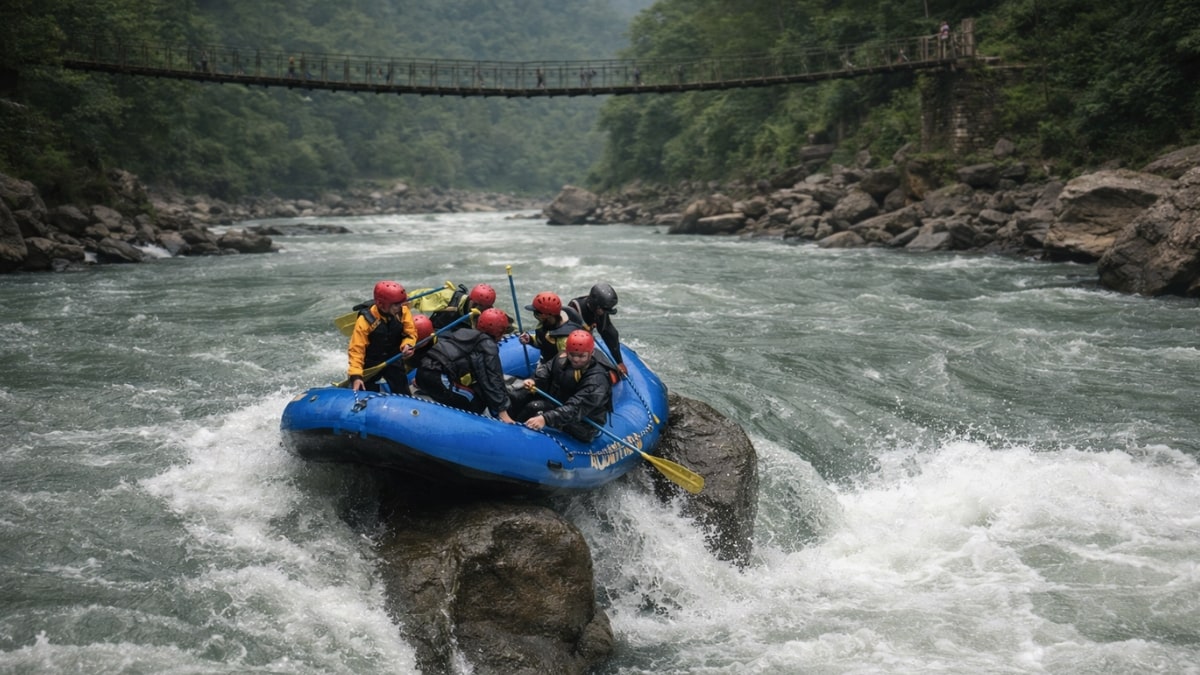
The Tons River flows through a narrow part of the Garhwal Himalayas and is known for its strong rapids and rafting challenges that it provides. This destination only attracts the serious and experienced rafters. The ones who prefer difficult water conditions and raw mountain landscapes over comfort and convenience which is far from the crowded tourist centres.
About River
The Tons River originates from the Supin Tons system near Bandarpunch massif and later joins the Yamuna River. It carries cold and very fast-moving water with high volume. The river offers continuous Grade 3 and 4 rapids, along with some Grade 5 sections which can only be handled by the experienced rafters.
Rafting Routes Available
If you want to raft on the Tons River, then you can expect long multi-day trips that test your strength and experience in rafting. These multi-day journeys push you beyond your comfort level and carry you through long stretches of wild water and powerful rapids day after day.
Best Season/Weather
The best rafting season is considered to start from May to June and again from September to November. The weather can change quickly which is why packing some warm clothes is important. Not just that, you should also pack some quick-drying clothes, strong water shoes, sun protection and safety tools.
Permits/Regulations
Well, rafting here is allowed only to the experienced rafters and only certified operators can operate due to the remote location and strong river rapids. All the permits are managed as part of the rafting package to ensure that safety standards and regulations are followed by everyone throughout the journey.
According to the Uttarakhand Adventure Tourism Policy, the Tons River is classified as a Grade 4 and 5 expedition river, limiting access strictly to certified operators and experienced rafters.
Risks to be aware of
You must know one thing about this river that it is suitable only for the experienced rafters. That is because the continuous high-grade rapids demand strength and focus.
It is located in a remote setting which means that rescue and medical help can take time. It makes safety preparation and skilled guides extremely important for rafting on this river.
How to Reach This Place
If you are thinking about a flight, Jolly Grant Airport in Dehradun is the nearest airport which is followed by a long road journey. If we talk about the nearest station, then Dehradun railway station is the nearest major station. From there, travellers must take a lengthy drive through mountain roads to reach rafting starting points.
Where to Stay Nearby
Well, accommodation is mostly arranged by the rafting operators and includes riverside camps and basic guesthouses. Due to the remote nature of the area, luxury hotels are not available near the rafting stretches.
Budget
Rafting on the Tons River is no less than a premium adventure due to its multi-day format. The cost usually starts from around INR 9,000 per person and increases depending on the expedition length, logistics and camping arrangements.
Why Rafting in the Tons River
The Tons River is perfect for expert rafters who are looking for technical challenges in a quiet Himalayan environment. It offers powerful rapids, long rafting days and an escape from the crowded rafting hubs like Rishikesh.
Other Adventure Activities Available Here
Usually, the multi-day camping is an important part of the overall experience for rafting in the Tons River. You can also enjoy trekking and hiking in nearby valleys and visit villages to explore the local mountain life alongside the rafting adventure.
Insider Tips
The water levels of this river can change during the day that is why you should choose a trusted service provider. That is because the experienced guides can choose the safest timing on your behalf. The trip is more about the expedition journey than comfort. You can enjoy the simple food which is often cooked fresh at campsites.
Bhagirathi River, Uttarakhand
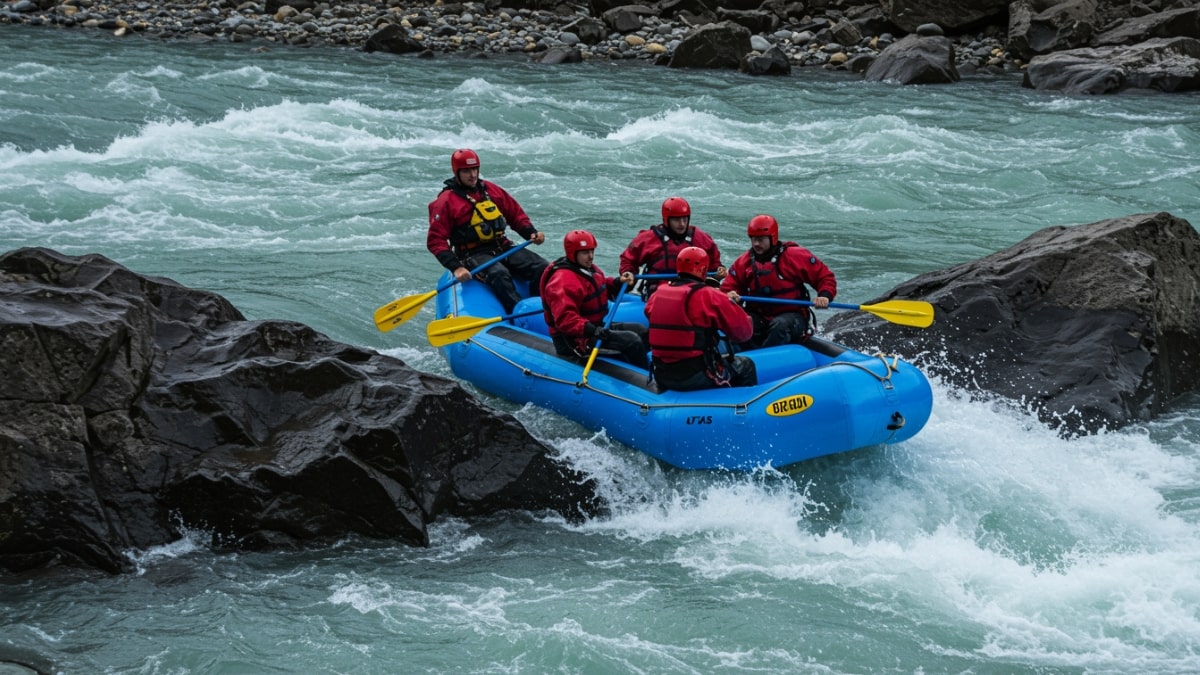
The Bhagirathi River offers a more demanding rafting experience compared to the lower Ganges. It flows through the rugged Himalayan terrain and it attracts rafters looking for long-distance expeditions combined with spiritual significance and scenic mountain landscapes.
About River
The Bhagirathi River rises from the Gangotri Glacier and flows down to Devprayag where it meets the Alaknanda to form the Ganges. This river carries cold, fast water with strong rapids which are Grade 3 and 4 rapids in its upper stretches.
According to the Ministry of Jal Shakti, the Bhagirathi River contributes nearly 60 per cent of the total Ganga water flow at Devprayag, making its upper stretches powerful and technically demanding.
Rafting Routes Available
If you want to go rafting on the Bhagirathi River, you should be aware that it is done through the multi-day expeditions. A common journey includes long stretches that are over two days with overnight camping along the riverbanks. It allows rafters to cover significant distances on the challenging water.
Best Season/Weather
The best time for rafting on this river is before the monsoon in April and May and after the monsoon from September to November. If you are planning for it, then you should pack warm layers, quick-dry clothing, sun protection and personal medication as advised by operators.
Permits/Regulations
The certified operators handle all necessary permits and safety arrangements. They do it to ensure the journey follows approved guidelines and river safety norms. That is because these are expedition-style trips and rafting requires organised logistics.
Risks to be aware of
Rafting on this river requires good physical fitness and prior experience with higher-grade. On top of it, cold water and continuous flow can be tiring. So, you should mentally prepare and follow the safety instructions throughout the expedition.
How to Reach This Place
The nearest airport is Jolly Grant Airport as we have already discussed in the Tons River part. This airport is located in Dehradun and reaching to the destination from the airport is itself a journey. You can also reach there by train. Haridwar and Rishikesh serve as the main railway stations.
Where to Stay Nearby
If we talk about the accommodation during rafting, it usually involves riverside campsites. In towns like Devprayag, you can find some budget-friendly guesthouses. There are no luxury hotels near the rafting areas but they can be available in Rishikesh or Dehradun if you do some research.
Budget (typical)
Bhagirathi rafting expeditions generally cost around INR 9,000 per person or more which is similar to rafting on the Tons River. However, it also depends on trip duration and the camping arrangements. These costs reflect the multi-day nature and logistical support involved.
Why Rafting in Bhagirathi
Rafting here on the Bhagirathi combines adventure with spiritual importance. The sacred status of the river, long rafting stretches and Himalayan scenery make it ideal for those seeking a meaningful expedition-style rafting experience.
Other Adventure Activities Available Here
You can also enjoy trekking in the nearby mountain areas, riverside camping and visiting temples at Devprayag. The confluence of rivers adds cultural and scenic value to your adventure trip.
Insider Tips
Rafting follows a fixed expedition schedule with breaks for meals and overnight camping. You can witness the sangam at Devprayag which is also a highlight. Well, the food is simple and warm as it is usually prepared at camps or available locally. Because this is a remote expedition river, the local guides can help you with communication in mountain villages and during emergency situations.
Kameng River, Arunachal Pradesh (Assam Approaches)
The Kameng River flows through the Eastern Himalayas like the Teesta River and offers a rare rafting experience in Northeast part of India. This destination is ideal for the travellers who are seeking isolation, raw landscapes and powerful river rapids.

About River
The Kameng River originates from glacial lakes near the Tibet border and flows through Arunachal Pradesh before joining the Brahmaputra. It carries cold, rapidly flowing water that features Grade 3 and 4 rapids through the deep valleys and rainforests.
Rafting Routes Available
Rafting on the Kameng River is mostly done as the multi-day expeditions. These journeys cover long stretches through the region of dense forests. It offers continuous thrill, adventure and close interaction with beautiful natural surroundings.
Best Season/Weather
The best time for rafting on this river is from October to March, when weather conditions are more stable, avoiding peak winter cold. However, the rafters should pack warm clothes for mornings and evenings, quick-dry rafting gear, insect repellent and sun protection.
Permits/Regulations
Entry into Arunachal Pradesh requires special permits such as the Inner Line Permit. The rafting operators manage these permits and ensure compliance with local regulations throughout the expedition.
Risks to be aware of
The river is powerful and the region has quite deep and narrow passages. That is why the safety of rafters depends heavily on the experienced operators and it also requires proper planning for rafting. Another reason for doing all this is that medical help and supplies are limited, so being prepared and disciplined is mandatory.
How to Reach This Place
For the travellers who want to take a flight, Tezpur Airport is the nearest airport while Guwahati serves as a major travel hub. Rangapara is the nearest railway station if you want to reach there by train. Travelling by road is also possible from Assam into Arunachal Pradesh takes significant time due to terrain.
Where to Stay Nearby
Well, the accommodation in this region usually includes some basic circuit houses, simple guesthouses and expedition camps. There are no luxury hotels in the rafting areas and you should know it beforehand. If you want to stay in more comfort, then you must visit the nearby cities and find one.
Budget (typical)
Rafting on the Kameng River is quite expensive due to its remote location and limited facilities provided. The costs are usually offered as package deals that cover multiple days, equipment and permits. Thus, we cannot claim any figures because it solely depends on the things that we mentioned.
Why Rafting in Kameng
This river offers a true wild experience because of the presence of rainforests and deep valleys. It is ideal for the experienced rafters who are seeking adventure, isolation and exposure to the unique culture and biodiversity of the Eastern Himalayas.
According to Arunachal Pradesh Tourism records, rafting expeditions on the Kameng River operate through regions with over 70 per cent forest cover, making it one of India’s most secluded rafting rivers.
Other Adventure Activities Available Here
The rafters can also enjoy trekking through forest trails, angling in river sections, wildlife safaris near Pakke Tiger Reserve and visiting the tribal villages to add more excitement to their overall rafting experience.
Insider Tips
If you are planning to visit there for rafting, then you must know that early morning starts are common during the expeditions. Also, respecting local customs is important, as the region is home to diverse tribal communities.
You can enjoy the local food here and it is rice-based with unique herbs and smoked flavours. The local guides are necessary here because they help with communication in tribal areas and manage rafting in remote forest regions.
Siang River, Arunachal Pradesh
The Siang River is one of India’s most powerful rafting rivers and is also known as the main source of the Brahmaputra. It offers a serious expedition experience through the remote landscapes, dense forests and dramatic river gorges in Northeast India.

About River
This river originates from the Tsangpo in Tibet and it enters India as the Siang. It carries massive water volume and features dangerous, rapid grades like 3 and 4 rapids. The river flows through the dense tropical rainforest terrain.
According to the Central Water Commission, the Siang River carries one of the highest average discharge volumes in India, which explains its continuous high-grade rapids.
Rafting Routes Available
Rafting on the Siang River involves long-distance expeditions and it can last several days. However, certain stretches near the border are particularly intense. They offer continuous high-volume rapids and powerful waves which are only for the experienced rafters.
Best Season/Weather
The best season to raft here is from November to March when water levels are lower. The rafters should pack warm clothes, quick-dry gear, secure footwear and sun protection. You do not have to carry much safety equipment because it is also provided by the operators.
Permits/Regulations
An Inner Line Permit is required to enter Arunachal Pradesh as we have discussed in the above heading already. Again, the rafting operators handle these permits and manage the regulatory requirements as part of the expedition planning.
Risks to be aware of
High-grade rapids and remote surroundings make this river suitable for the experienced rafters only. The professional guides and strict safety measures are essential due to the strong currents and limited rescue access.
How to Reach This Place
The rafters can take a flight to reach there and Dibrugarh Airport is the nearest airport. If we talk about the nearest railway stations, then Murkongselek is the closest railway station. Well, reaching there by road from Dibrugarh or Guwahati to starting points near Pasighat takes so much of your time.
Where to Stay Nearby
Here, accommodation is again mainly in expedition camps or you have stay in the basic guesthouses. There are no five-star hotels near the rafting stretches, just like the Kameng River case.
Budget (typical)
Siang River expeditions are premium experiences due to their length, remoteness and logistics. That means the pricing depends on the multi-day expedition and other things included in the package. For that reason, we don’t have any specific numbers to display here.
Why Rafting in Siang
Rafting here is both adventurous and risky, to be precise it is quite a journey. The powerful rapids, vast river size and gorgeous landscapes make it one of the most rewarding rafting expeditions in India.
Other Adventure Activities Available Here
The rafters can also enjoy jungle safaris, trekking and cultural interaction with local tribes’ members to add depth to their overall experience visiting here beyond rafting.
Insider Tips
Rafting follows expedition schedules based on the conditions of the Siang River and the journey visiting here itself is as adventurous as the rafting. The rafters can taste the local food after rafting which includes rice, fish and bamboo shoot preparations which offer a taste of regional cuisine. The language support from local guides is important as the river passes through remote regions where outside communication is limited.